Reality Checks / 01
Reality Check 01
How a Patong Bar Actually Makes Money
Lady drinks, bells, bar fines — and why the system makes a lot more sense once you stop pretending it isn’t a business.
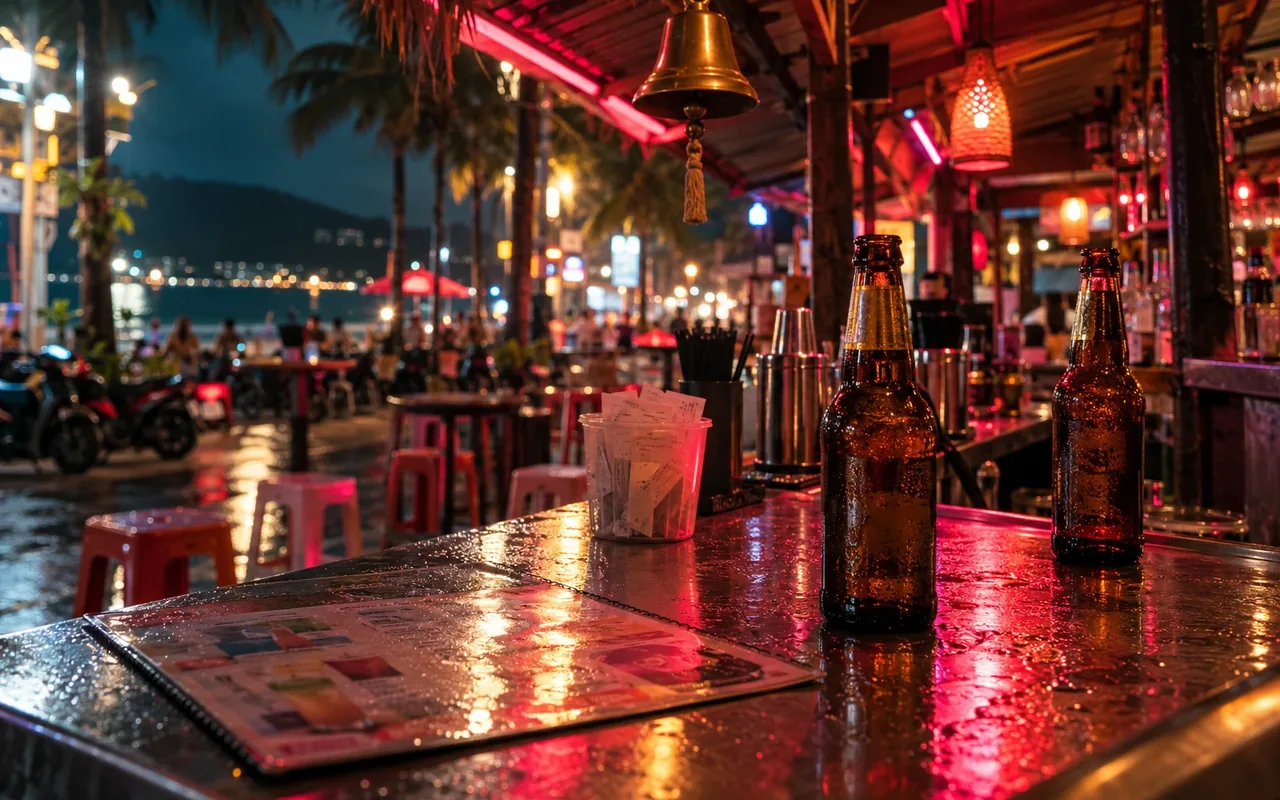
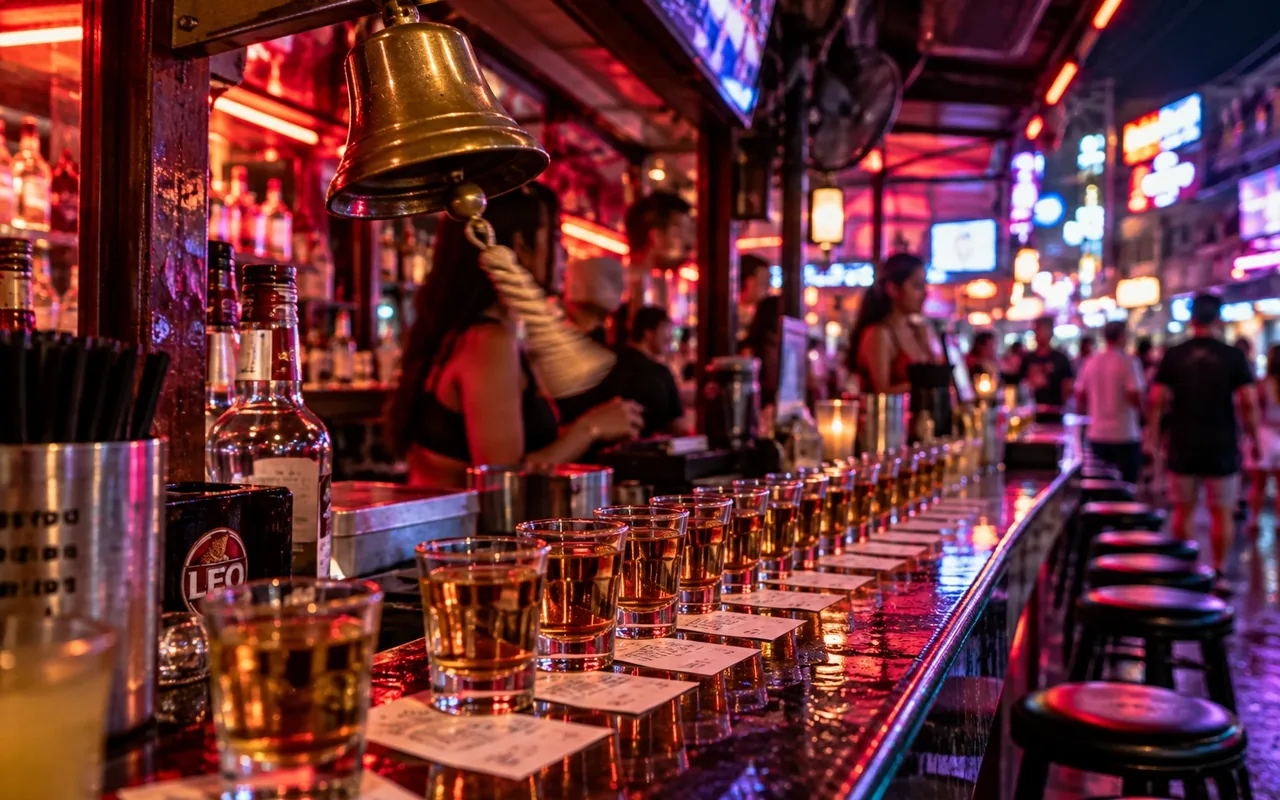
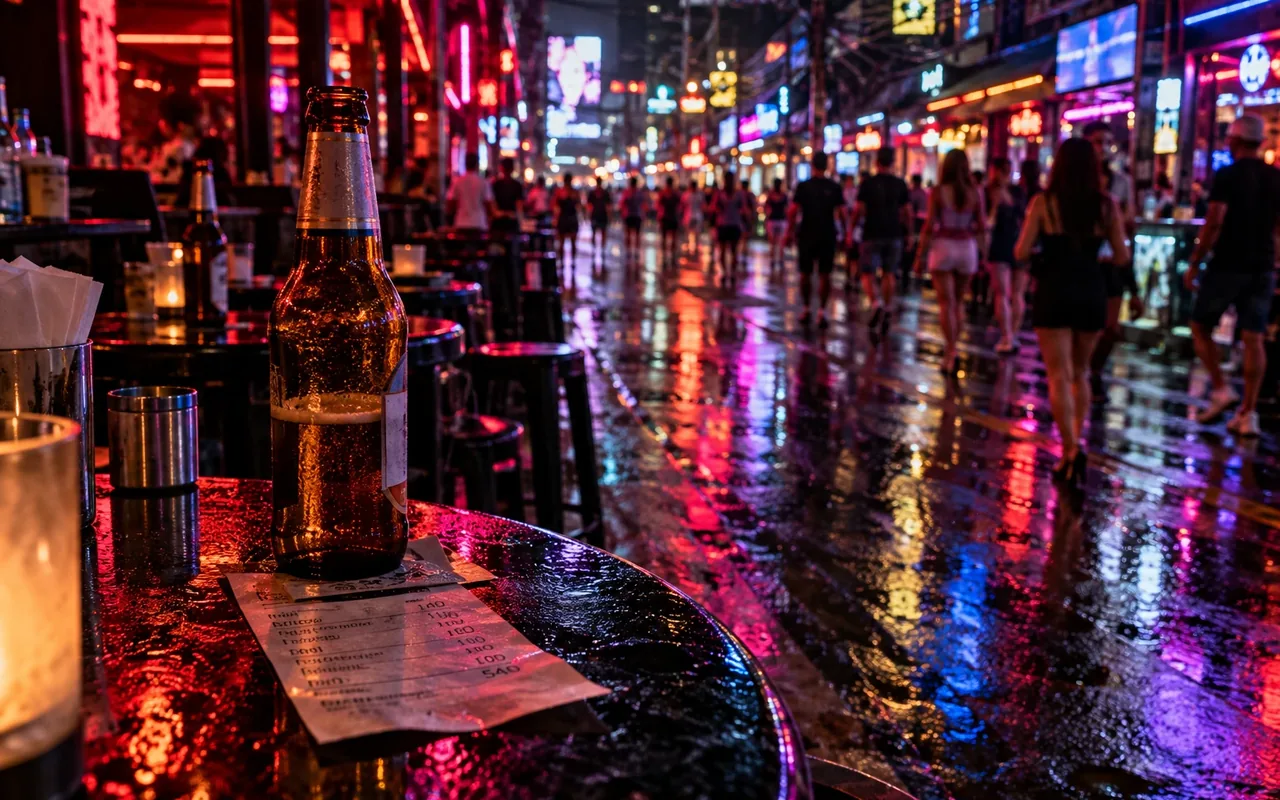
Walk into a small bar in Patong at 9:30 PM and almost nothing looks complicated.
Plastic stools.
Cold beer.
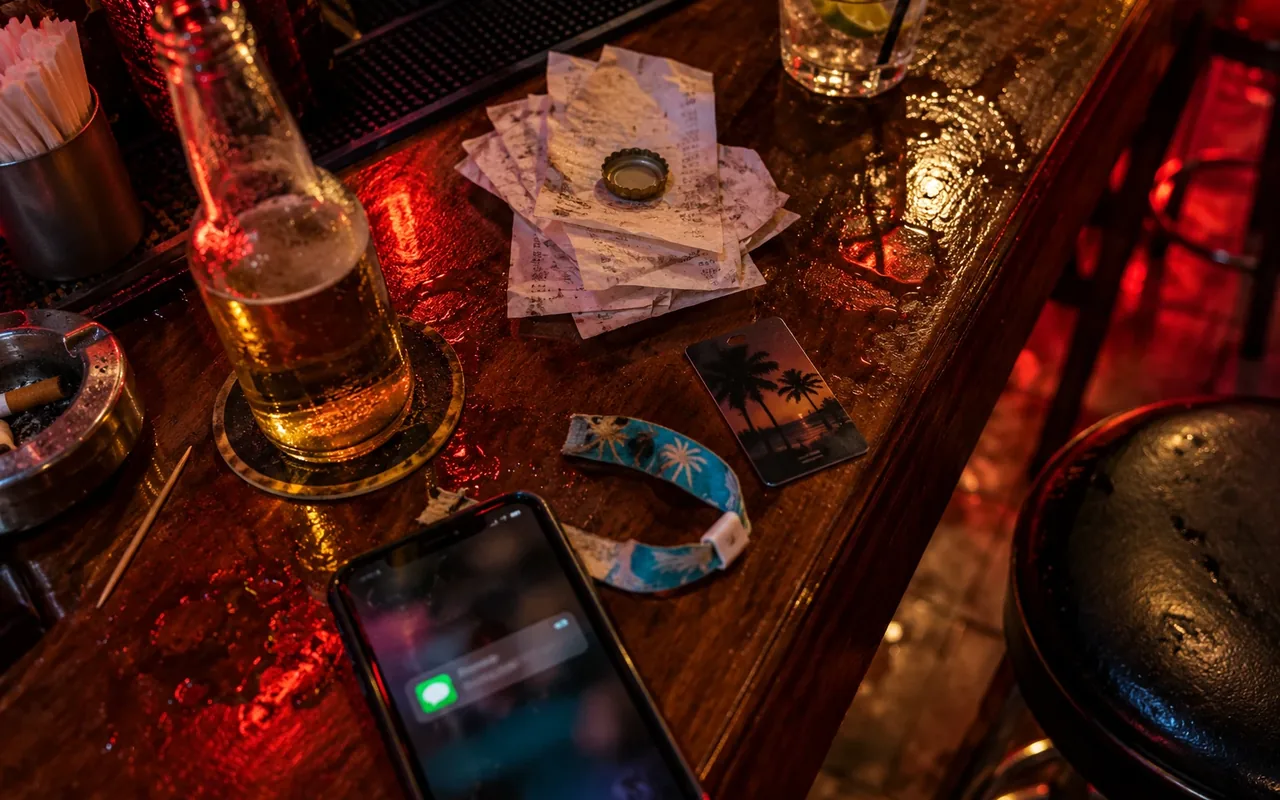
A few girls checking LINE.
Music loud enough to discourage serious conversation.
A laminated drinks menu that has survived several rainy seasons.
From the customer side, the transaction appears straightforward.
You buy a drink.
Then somebody sits next to you.
Then perhaps you buy her a drink.
Then another.
Then somebody rings the bell.
Then at some point a number gets mentioned for a bar fine.
To a first-time visitor, it can feel like a sequence of mysterious Thai nightlife customs.
It isn’t.
It is a business model.
And once you understand the economics, most of the mystery disappears.
The First Drink
Your drink keeps the lights on.
Beer, spirits, mixers, soft drinks.
This is the ordinary part.
The more interesting part begins when somebody working at the bar sits down beside you.
The Lady Drink
A lady drink is not a coded marriage proposal.
It is a product.
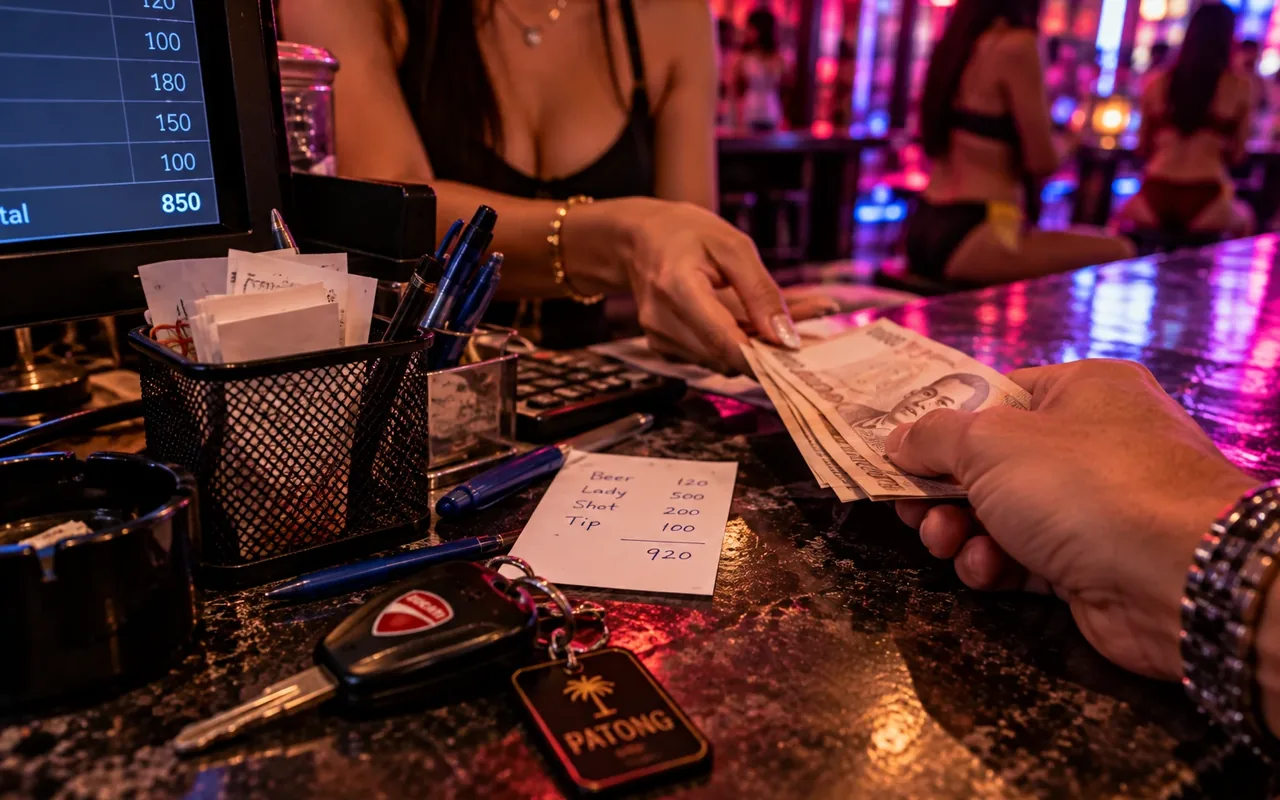
You buy a drink for a member of staff, usually at a higher price than your own drink.
Part of that money goes to the venue.
Depending on the venue, part may contribute to the staff member’s commission or income.
Which means something important:
Attention has economic value.
This is why the interaction can feel unusually concentrated.
At home, you might spend three weeks wondering whether somebody likes you.
In Patong, somebody may be laughing at your joke within ninety seconds.
The market has become more efficient.
That does not automatically mean the interaction is fake.
It means the environment has incentives.
Those are not the same thing.
A bartender can genuinely like a regular customer and still be working.
A member of staff can genuinely enjoy talking to someone and still prefer that he buys another drink.
Two things can be true at once.
Phuket becomes much easier to understand once you accept this.
The Bell
Then there is the bell.
Every newcomer sees one eventually.
Large.
Brass.
Usually somewhere prominent.
In many bars, ringing it means buying a round for staff.
The exact convention varies, so the intelligent move is extremely simple:
Ask before touching it.
There are few faster ways to learn a venue’s house rules than enthusiastically ringing a bell you thought was decorative.
The bell works because it combines generosity, theatre and status.
You are not only buying drinks.
You are buying a moment.
Everybody notices.
People cheer.
For thirty seconds, you become extremely popular.
It is one of nightlife’s oldest technologies.
Public spending disguised as spontaneity.
The Bar Fine
The phrase causes more confusion than almost anything else.
A bar fine is generally money paid to the venue when a member of staff leaves work early.
The logic is not mysterious.
If somebody leaves during a shift, the venue loses part of that worker’s ability to generate revenue.
The fee compensates the bar.
It is separate from whatever two adults decide outside the venue.
This distinction matters.
The bar has one transaction.
The two people leaving have another.
Tourists regularly combine the two in their heads and then spend the next morning explaining Phuket economics incorrectly on the internet.
The Regular
The most valuable customer is often not the loudest man in the room.
It is the one who comes back.
Same stool.
Same beer.
Same staff.
Same time.
He becomes familiar.
The staff remember his name.
His drink may appear before he orders it.
He starts feeling slightly less like a tourist.
This is where the system becomes psychologically interesting.
Because recognition is real.
And the commercial value of recognition is also real.
A regular customer may genuinely be liked.
He may also be worth significantly more than someone who visits once.
Again:
Two things can be true at once.
What the Bar Is Really Selling
Drinks are only part of the product.
A successful nightlife bar sells:
attention,
recognition,
conversation,
status,
belonging,
and the temporary feeling that you are not simply another tourist passing through.
The beer is almost incidental.
This is why outsiders sometimes misunderstand the whole system.
They keep asking whether the friendliness is “real.”
That is the wrong question.
The better question is:
Can something be commercially incentivised and still contain genuine human interaction?
Of course it can.
Restaurants do it.
Luxury hotels do it.
Private banks do it.
Patong simply does it while playing louder music.